
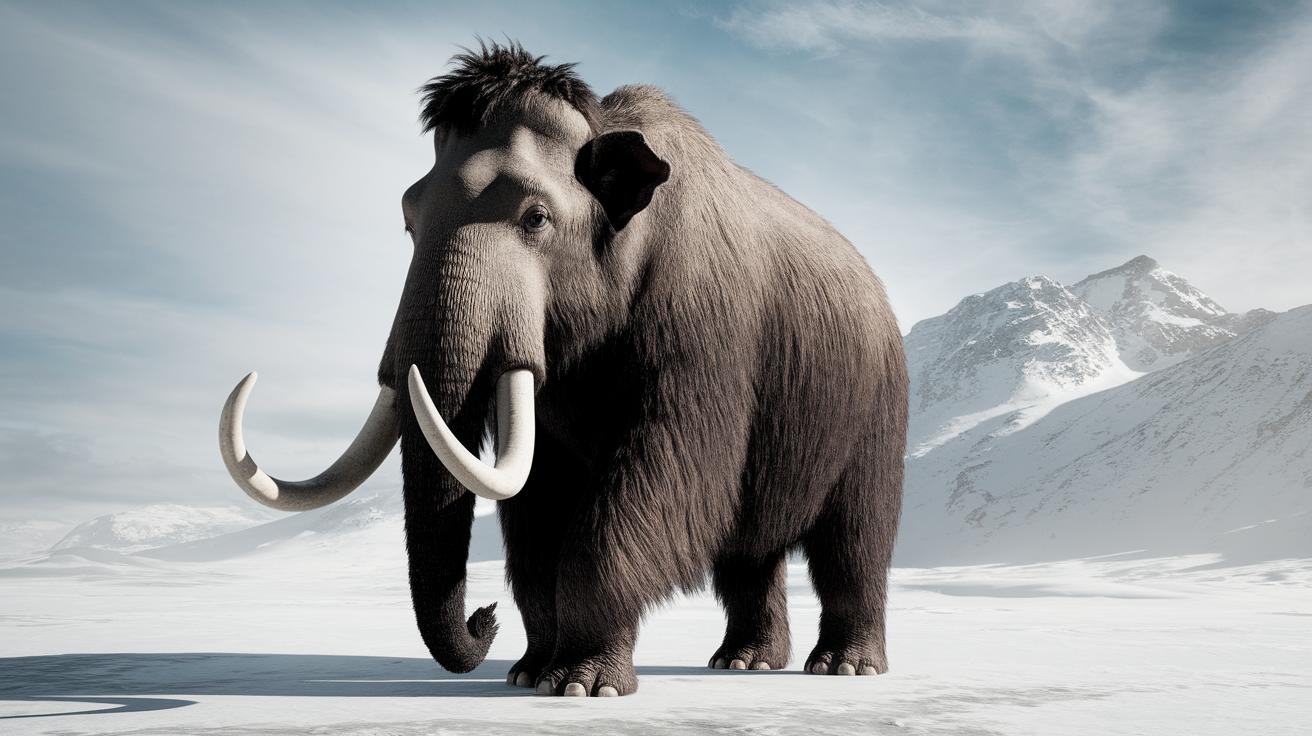
How Woolly Mammoths Help Climate Change
The potential return of woolly mammoths, through groundbreaking genetic engineering, could offer a unique solution to the pressing issue of climate change, specifically in the Arctic tundra. Scientists are exploring the possibility of bringing back these majestic creatures in a bid to alter the landscape and reduce the release of greenhouse gases. By understanding their historical role in maintaining the tundra ecosystem, researchers aim to harness similar ecological impacts today. This article explores how these prehistoric giants might play an unexpected part in mitigating climate change through hybrid re-creation efforts.
Scientists say creating hybrids of the extinct beasts could fix the Arctic tundra and stop greenhouse gas emissions
Woolly mammoths, the ice age giants that once roamed the Earth, may hold the key to solving some of today’s climate challenges. These creatures played a crucial role in maintaining the Arctic grassland ecosystem, preventing the area from converting into forested regions, which contributed to a reduction in methane emissions. Scientists propose that by reviving woolly mammoths or creating hybrids through genetic engineering, we could restore these grasslands and help curb global warming.
The restoration of Arctic grasslands involves the reintroduction of large herbivores that can compact snow, reducing insulating layers and allowing cold air to penetrate the ground. This process could slow down the thawing of permafrost, which when melted, releases significant amounts of carbon dioxide and methane into the atmosphere. The return of mammoths could thus play an essential part in transforming these ecosystems back into carbon sinks rather than sources of greenhouse gases.
Geneticists are exploring the possibility of using CRISPR technology to insert woolly mammoth genes into the DNA of Asian elephants, their closest living relatives. This groundbreaking approach of creating mammoth-elephant hybrids could lead to the reintroduction of large herbivores that mimic the ecological roles once played by mammoths, offering a promising way to mitigate climate change impacts in the Arctic region.
You Might Also Like
For those intrigued by the intersection of genetic engineering and ecological restoration, you might also enjoy exploring how other extinct species are being considered for revival, including the passenger pigeon and the thylacine. These projects not only highlight innovative conservation efforts but also raise ethical questions about de-extinction and its implications for our environment.
Additionally, learn more about the ongoing research involving the roles of large herbivores in various ecosystems worldwide, such as bison in North America and rhinos in Africa, and how these reintroductions have created positive ecological impacts similar to those expected from woolly mammoths.
Get the latest Science stories in your inbox.
Stay informed about the latest advancements in science and their potential real-world applications. Subscribe to our newsletter to receive insightful articles and updates on groundbreaking projects like the woolly mammoth revival and other transformative scientific explorations. Be part of our community and fuel your curiosity about the natural world.
More from CBS News
CBS News continues to cover captivating stories from the world of science and technology. Explore their in-depth reports on climate change innovations, the return of extinct species, and other scientific breakthroughs reshaping our understanding of the planet and beyond.
From genetic engineering marvels to new climate mitigation strategies, stay connected with CBS News for comprehensive stories that delve into the challenges and opportunities facing our world today.
Featured Local Savings
Discover local businesses offering sustainable and eco-friendly products and services in your area. From renewable energy solutions to environmentally friendly consumer goods, make conscious choices that contribute positively to the climate.
Support local initiatives that are part of the global movement to combat climate change, and find savings on products that help you live a more sustainable lifestyle while contributing to ecological preservation efforts in your community.
Future Prospects
| Aspect | Details |
|---|---|
| Revival Technique | CRISPR gene editing to produce mammoth-elephant hybrids |
| Ecological Role | Maintain Arctic grasslands and reduce greenhouse gas emissions |
| Climate Impact | Prevent permafrost thaw and promote carbon storage |
| Ethical Considerations | Debate over the implications of bringing back extinct species |