
The Tax Rebate for Solar Panels: A Comprehensive Guide
As the world shifts towards more sustainable energy solutions, many homeowners are exploring the benefits of solar panels and other energy-efficient retrofits. Canada is leading the charge with the Canada Greener Homes Initiative, offering tax rebates and grants to encourage the adoption of greener technologies. This blog post explores the details of the initiative, outlining both eligible and ineligible retrofits available to Canadian homeowners. We will delve into the benefits of installing solar panels, insulation types, heat pumps, and other renewable energy systems. Finally, we’ll look at resiliency measures, options for Multi-unit Residential Buildings, and how you can contact relevant services for more information.
Canada Greener Homes Initiative
The Canada Greener Homes Initiative is a federal program aiming to make Canadian homes more energy-efficient. This initiative not only provides financial incentives for homeowners but also plays a crucial role in reducing Canada’s carbon footprint. With a commitment to sustainability and long-term energy solutions, the initiative offers substantial financial support to those who invest in clean energy technologies.
This initiative is accessible to homeowners across Canada, providing grants that cover a wide range of energy-efficient home upgrades, including improvements in insulation, heating, and renewable energy systems. By investing in these upgrades, homeowners can see significant long-term savings on energy bills while contributing to a more sustainable future.
As part of the Canada Greener Homes Initiative, you have access to:
With the Canada Greener Homes Initiative, homeowners can access grants and services that make it easier to upgrade their homes to more energy-efficient standards. These grants often cover various retrofits that improve the energy performance of a house, contributing to significant savings and environmental benefits.
Homeowners also have access to expert advice and energy audits, ensuring that every energy-saving opportunity is identified and exploited. The combination of financial assistance and professional guidance makes the Canada Greener Homes Initiative an excellent resource for any Canadian looking to make their home more energy-efficient.
Ineligible retrofits
While the Canada Greener Homes Initiative covers a wide range of retrofits, not every improvement qualifies for financial support. Ineligible retrofits typically include aesthetic upgrades that do not improve energy efficiency, such as replacing carpets or repainting walls. The program is focused on substantive energy improvements rather than cosmetic changes.
It’s crucial for homeowners to check the eligibility requirements before starting any home renovation project. By ensuring that planned upgrades comply with the initiative’s guidelines, homeowners can fully benefit from the available grants and maximize their investment in home efficiency.
Eligible retrofits
The initiative categorizes eligible retrofits into various segments, making it easy for homeowners to identify where they can make impactful improvements. Eligible retrofits generally focus on areas that significantly enhance a home’s energy efficiency, such as insulation, air sealing, and renewable energy systems.
Insulation
Insulate your roof assemblies (attic/cathedral ceiling/flat roof)
Investing in proper roof insulation can drastically reduce the amount of energy required to heat or cool a home. Roof assemblies, whether they involve attics or flat roofs, are critical areas that, when properly insulated, prevent energy loss and support a more consistent indoor climate.
Exterior wall insulation
Exterior wall insulation is another significant upgrade that contributes to a home’s overall energy efficiency. By insulating exterior walls, homeowners can significantly reduce the amount of energy needed to maintain comfortable temperatures within the home.
Exposed Floor
Insulating exposed floors, such as those over garages or porches, is also an excellent way to prevent energy loss. This type of insulation helps in maintaining even temperature levels throughout the home.
Basement Insulation
Basements are notorious for energy loss, making basement insulation an important consideration for any homeowner seeking to improve their home’s efficiency. Proper insulation in the basement can lead to significant savings on heating costs.
Crawl space
Crawl spaces are often overlooked in terms of insulation, yet they play a vital role in a home’s energy efficiency. Properly insulating crawl spaces can prevent unwanted air infiltration and energy loss.
Air sealing
Air sealing is an essential step in making a home more energy-efficient. By sealing cracks and gaps in the building envelope, homeowners can prevent drafts and heat loss, leading to a more comfortable indoor environment.
Air sealing complements other energy efficiency measures, such as insulation, by ensuring that the energy-saving benefits of these upgrades are fully realized. This measure often targets areas such as windows, doors, and attic hatches.
Windows and doors
Replacing old, inefficient windows and doors with energy-efficient models can drastically reduce energy bills. Windows and doors are responsible for significant thermal exchange within a home; therefore, choosing models that prevent energy loss is critical.
Energy-efficient models often feature better materials and technologies, such as double glazing and low-emissivity coatings, which improve insulation and contribute to sustainability goals.
Thermostat
Upgrading to a smart thermostat is a simple yet effective way to increase a home’s energy efficiency. Smart thermostats allow homeowners to tailor their heating and cooling schedules to their specific needs, thereby reducing energy waste.
By providing insights into energy usage patterns, these devices help homeowners make informed decisions about energy consumption and can play a significant role in lowering energy bills.
Space and water heating
What is a heat pump?
A heat pump is a device that transfers heat from one place to another, providing both heating and cooling capabilities. It’s an energy-efficient alternative to traditional heating and cooling systems, offering significant savings on energy bills.
A heated conversation on heat pumps
Heat pumps have gained popularity due to their dual functionality and efficiency. While they can be more expensive upfront, their ability to provide heating and cooling makes them a cost-effective choice in the long run.
Why install a heat pump?
Installing a heat pump reduces reliance on fossil fuels and is an excellent step toward sustainable living. They are particularly effective in moderate climates but advancements have made them viable for colder regions too.
Ground source heat pumps
Ground source heat pumps use the stable temperatures underground to heat and cool homes efficiently. They require a significant initial investment but offer lower operating costs and higher efficiency.
Air source heat pumps and cold climate air source heat pumps
Air source heat pumps extract heat from the air and have recently been improved to function efficiently in colder climates, making them suitable for regions with harsh winters.
Heat pump water heaters
Heat pump water heaters use air to generate hot water, providing an efficient option for homeowners looking to reduce water heating costs and energy consumption.
Renewable energy systems
Solar photovoltaic (PV) system (including solar panels and inverters)
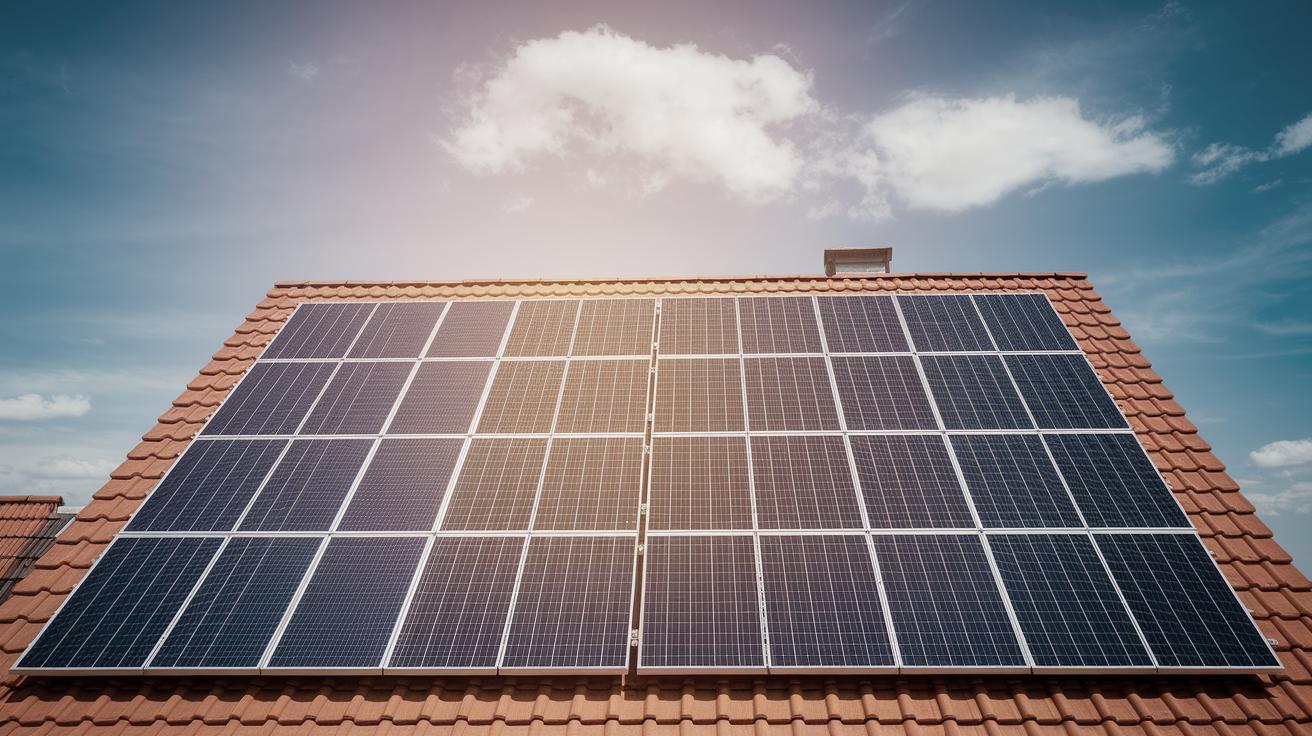
Solar photovoltaic systems are a standout option in the renewable energy sector. Installing solar panels can greatly reduce or even eliminate electricity bills by generating self-sufficient power on-site.
By using inverters, solar PV systems convert sunlight into usable electricity, providing an eco-friendly energy solution that offers financial incentives through tax rebates and long-term savings.
Resiliency measures
Resiliency measures focus on enhancing a home’s ability to withstand and recover from adverse weather conditions. This includes upgrades such as reinforced roofing and stormproof windows that can withstand harsh climates.
By investing in resiliency, homeowners contribute to the overall sustainability and longevity of their property, ensuring it remains safe and efficient for the long haul.
Multi-unit Residential Buildings
For multi-unit residential buildings, the Canada Greener Homes Initiative offers unique opportunities to improve overall building efficiency. Retrofitting these structures ensures shared spaces and individual units benefit from energy savings.
With collective investments in retrofits like better insulation and energy-efficient appliances, these buildings can achieve significant reductions in energy consumption and costs.
Contact Us
For more information on the Canada Greener Homes Initiative and to see how you can benefit from the available grants and rebates, feel free to reach out. Our experts are on hand to guide you through the eligibility criteria and help you make the most of the available opportunities.
Contact us today to discover more about sustainable ways to enhance the efficiency of your home while enjoying the financial benefits of the Canada Greener Homes Initiative.
Lessons Learned
| Category | Details |
|---|---|
| Ineligible Retrofits | Cosmetic changes not focused on energy efficiency. |
| Insulation | Roof, exterior walls, floors, basements, and crawl spaces. |
| Air Sealing | Prevents drafts and energy loss. |
| Windows and Doors | Upgrade to energy-efficient models for better insulation. |
| Thermostat | Smart thermostats optimize heating and cooling schedules. |
| Space and Water Heating | Heat pumps offer an energy-efficient alternative. |
| Renewable Energy | Solar PV systems significantly reduce electricity bills. |