
How to Start Composting
Imagine transforming your kitchen scraps and garden waste into rich, nourishing soil with minimal effort, all while contributing to a healthier planet. Composting is an eco-friendly practice that turns organic waste into compost, a valuable soil amendment. This blog post outlines the essentials of starting your composting journey at home, whether in a spacious backyard or a tiny apartment, using traditional methods or vermiculture. We’ll explore the benefits of composting, provide a step-by-step guide for different techniques, and highlight the significance of finished compost in sustainable living. By understanding the various composting options and their advantages, you’ll be empowered to make informed decisions, leading to reduced waste, enriched soil, and a greener community.
Add New Comment
We encourage our readers to share their own experiences and tips on composting. Whether you have questions about getting started or insights from your own composting journey, your comments can help create a vibrant community of eco-conscious individuals.
Sharing knowledge and experiences can inspire others and provide valuable insights into the practical aspects of composting. Feel free to engage, ask questions, and discuss your own successes or challenges in composting.
What is Composting?
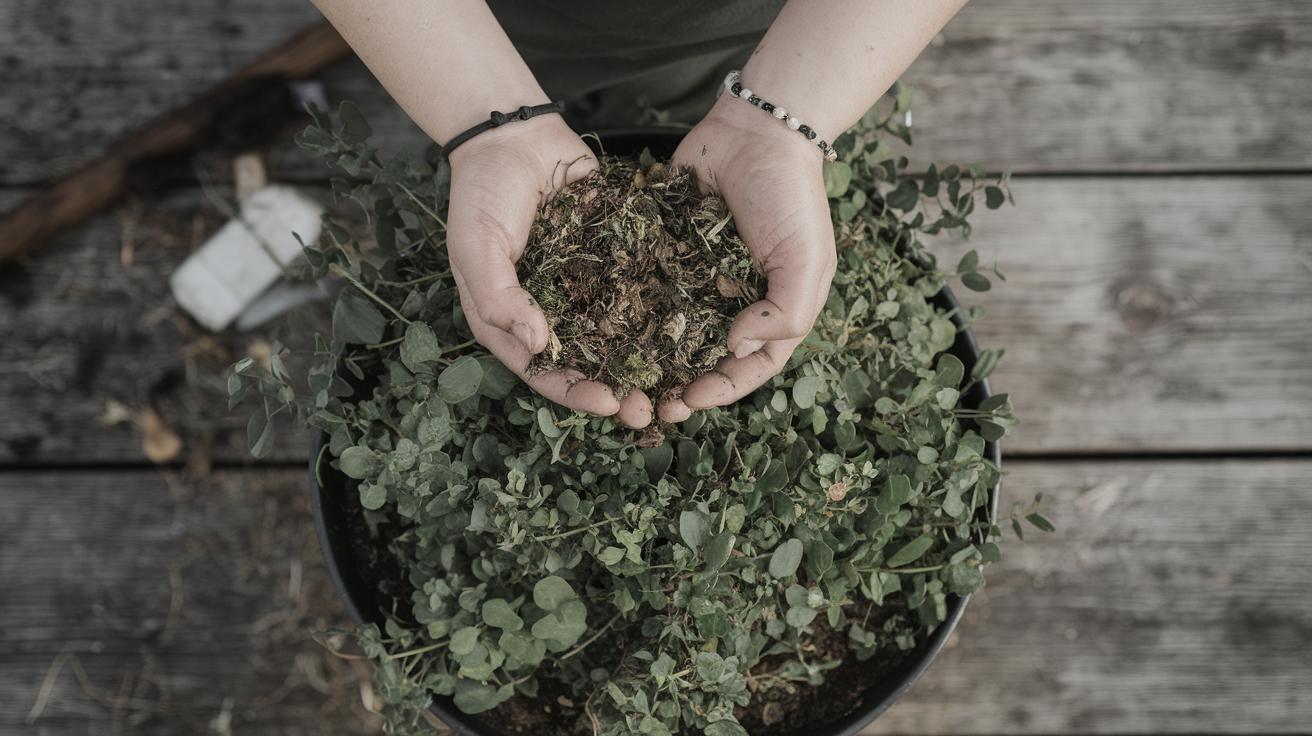
Composting is a natural process that turns organic materials like food scraps and yard waste into a nutrient-rich soil amendment called compost. This process involves the decomposition of these materials by microorganisms such as bacteria and fungi, which break down the matter into simpler compounds.
The end result is a dark, crumbly, earth-like substance that can greatly improve soil health and fertility. Composting not only reduces waste sent to landfills but also decreases the need for chemical fertilizers and can improve soil structure, aiding plant growth.
Why Compost at Home?
Composting at home offers numerous environmental benefits, such as reducing landfill waste and decreasing methane emissions, a potent greenhouse gas. By capturing these organic materials, individuals can play a significant role in reducing their ecological footprint.
Additionally, homemade compost can improve the health of your garden or plants. It enhances soil structure, increases water retention, and provides essential nutrients, making it a sustainable alternative to store-bought fertilizers.
Options for Composting at Home
There are several methods for composting at home, each suitable for different living conditions and personal preferences. The most common methods include backyard composting, vermicomposting (worm composting), and indoor composting systems.
Backyard composting is ideal for those with ample outdoor space, while vermicomposting suits individuals with limited space or colder climates. Finally, indoor composting systems are perfect for apartment dwellers or those seeking a convenient and odor-free solution.
Composting in Your Backyard
Compost Your Food Scraps for a Healthier Planet
Composting food scraps is an effective way to minimize waste and decrease your carbon footprint. Kitchen waste, such as vegetable peels, fruit scraps, and coffee grounds, can all be turned into valuable compost instead of ending up in a landfill.
Utilizing food scraps in composting not only enriches your soil but also demonstrates a commitment to sustainable living. By transforming waste, you contribute positively to environmental conservation efforts.
Ingredients for Composting
A successful compost pile contains a balance of “greens” and “browns.” Greens are nitrogen-rich materials such as fruit scraps, vegetable peels, and fresh grass clippings, while browns provide carbon and include items like dried leaves, straw, and wood chips.
Ensuring the right balance of these ingredients is crucial for maintaining an active composting process. Proper air flow and moisture are also important factors that come from regular turning and watering of the compost pile.
What to Add to a Backyard Compost Pile
In a backyard compost pile, you can include materials such as vegetable and fruit scraps, eggshells, coffee grounds, tea bags, grass clippings, and leaves. These materials decompose to form nutrient-rich compost.
However, avoid adding meat, dairy products, and oily foods, as they can attract pests and create foul odors. Also, avoid adding diseased plants or invasive weed seeds, as they can persist in the compost.
Steps for Backyard Composting
To start backyard composting, choose a site with good drainage and partial sunlight. Assemble a balance of green and brown materials in a compost bin or designated section of your yard, ensuring good aeration and moisture.
Turn the pile regularly to speed up decomposition, ensuring that the materials are adequately mixed and oxygenated. Within several months, you’ll have mature compost ready to nourish your garden.
Avoiding Rodents
To keep rodents away from your compost pile, use a sealed bin with a lid and keep meat, dairy, and oily food waste out of your compost. This minimizes odors and attracts fewer pests.
Regularly turning the pile also discourages rodents and helps with aeration. Installing fencing around the compost area can provide an additional barrier against pests.
Worm Composting (Vermicomposting)
Steps for Vermicomposting
Vermicomposting employs worms, typically red wigglers, to process organic waste into vermicompost, a rich soil amendment. To set up a vermicomposting system, prepare a bin with adequate ventilation and a moist bedding of shredded newspaper or coconut coir.
Add worms and a small amount of food waste to start. Continue adding more food scraps gradually, maintaining sufficient moisture and avoiding overfeeding. In a few months, your worms will produce valuable vermicompost.
Benefits of Using Your Finished Compost
Finished compost can significantly enhance the health of your garden or indoor plants. It improves soil structure, promotes healthier root growth, and can reduce the need for chemical fertilizers and pesticides.
The organic matter in compost increases soil nutrient retention and supports beneficial microorganisms, creating an overall healthier ecosystem in your garden. This results in better plant growth and reduced environmental impact.
Additional Resources
For more information on effective composting, consider exploring online courses, community workshops, and literature from environmental organizations. These resources can offer valuable insights, technical tips, and support as you begin your composting journey.
Additionally, local gardening clubs or environmental groups might offer composting workshops or initiatives, providing community support and shared experiences that can enhance your understanding and practice of composting.
Future Prospects
| Topic | Summary |
|---|---|
| Composting Basics | An introduction to what composting is and how it benefits the environment. |
| Composting Options | Various methods for composting at home, including backyard and vermicomposting. |
| Starting a Compost Pile | Steps to begin composting, including ingredients and maintenance tips. |
| Preventing Pest Issues | Measures to avoid rodents in backyard composting setups. |
| Benefits of Compost | Advantages of using finished compost to enhance plant growth and soil health. |
| Additional Resources | Where to find further information and community support for composting. |