
Exploring Green Mountain Energy’s Free Nights Plan
In an ever-evolving energy market, choosing a suitable energy supplier can be a daunting task. Among the multitude of options, Green Mountain Energy stands out with its unique “Free Nights” plan. This blog post delves into the intricacies of this offering, helping consumers make informed decisions about their energy needs. We’ll explore the fundamental details of the Free Nights plan, weigh its benefits and drawbacks, and provide a comprehensive guide to selecting an energy supplier that aligns with both budget and environmental values. Finally, we’ll collate key insights to assist you in navigating the choice of an energy provider with confidence and eco-consciousness.
Understanding the Free Nights Plan
The “Free Nights” plan from Green Mountain Energy is designed to cater to consumers who have the flexibility in their schedules to use electricity during designated evening hours. By shifting energy-intensive activities to nighttime, users can significantly reduce electricity costs. It’s an innovative approach that encourages energy consumption during off-peak hours, when demand is lower and energy prices tend to drop.
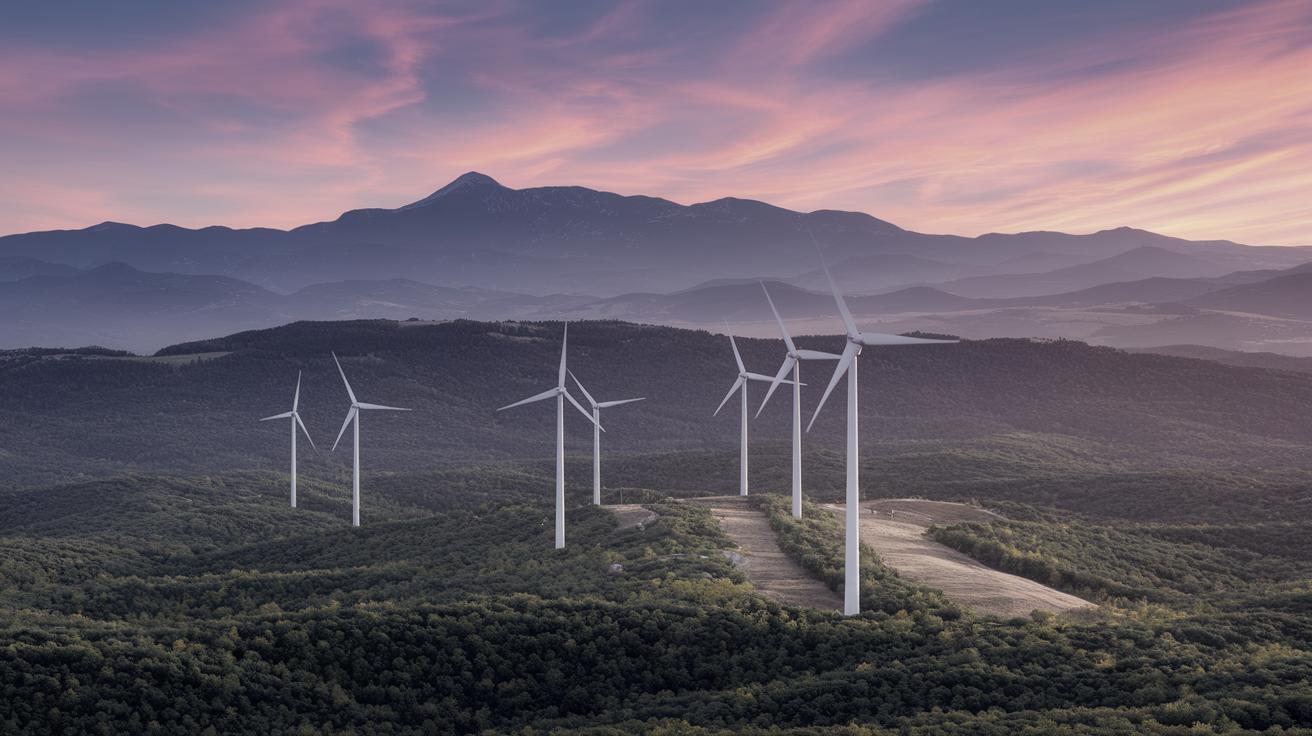
This plan not only aims to save money for consumers but also supports the generation of clean, renewable energy. When users switch to Green Mountain’s Free Nights plan, they’re opting for electricity sourced primarily from renewable resources such as wind and solar power. This aligns with a broader commitment to reducing carbon footprints and supporting a sustainable environment.
Your Guide to Choosing an Energy Supplier
When choosing an energy supplier, it’s essential to evaluate what your primary needs are. Are you looking for cost savings, renewable energy options, or a blend of both? Knowing your priorities will help narrow down your choices. For those interested in plans like Free Nights, it’s beneficial to analyze daily energy patterns to ensure you can maximize potential savings by scheduling high-energy activities during free periods.
Moreover, reviewing customer feedback and company reliability is crucial. Look for energy suppliers with a proven track record of service and support. It’s also wise to consider contract terms and flexibility—understand any associated fees, contract lengths, and terms of service, ensuring there are no unpleasant surprises down the line.
Pros and Cons of Free Nights
The Free Nights plan offers a number of advantages. Primarily, consumers can enjoy reduced electricity bills by optimizing energy use during designated free periods. Additionally, there’s the environmental benefit of supporting renewable energy initiatives, as the plan is backed by Green Mountain Energy’s commitment to sustainability.
However, there are potential downsides to consider. Not everyone may be able to adjust their schedule to take full advantage of nighttime free usage. For consumers who use most of their energy during daytime hours, this plan may not offer substantial financial savings. It’s important to assess personal energy habits to determine if this plan aligns with individual lifestyle needs.
Impacts on the Environment
By opting for electricity plans that promote off-peak usage, such as Free Nights, consumers contribute to a more balanced and efficient energy grid. This reduces the strain on power plants during high-demand periods, promoting energy conservation and stability within the grid.
Furthermore, Green Mountain Energy’s commitment to renewable energy means that subscribing to their services directly supports the expansion of clean energy technologies. This is a benefit not only to individual consumers but also to society as a whole, as it drives the energy market towards sustainable practices.
Lessons Learned
| Aspect | Insights |
|---|---|
| Understanding Free Nights | Timing energy usage can lead to savings and supports cleaner energy production. |
| Choosing an Energy Supplier | Prioritize needs, assess company reliability, and understand contract details. |
| Pros and Cons | Potential for cost savings and environmental benefits but may require lifestyle adjustments. |
| Environmental Impact | Supports grid stability and renewable energy initiatives, contributing to a sustainable future. |